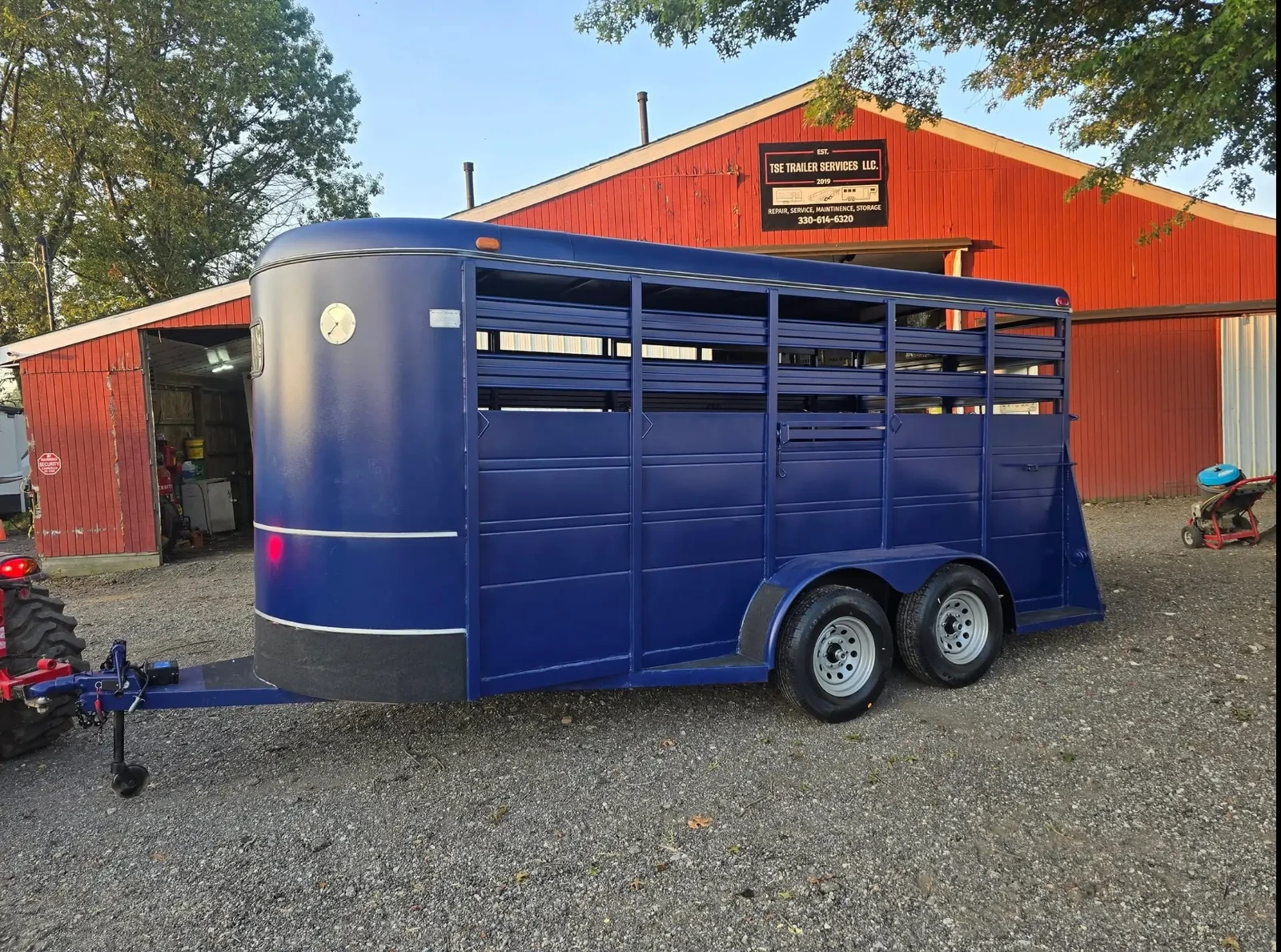
Horse owners in Ohio take great care of their animals, but the trailer sometimes gets forgotten until the morning of the first show. A horse trailer carries a lot of weight that moves, and the floor, frame and running gear take a beating from manure, urine, weather and years of hauling. A safety check before the season starts protects your horse, your truck and you.
Start with the floor
The floor is the most important thing to check, and the hardest to see.
- 1Pull the mats. Rubber mats hide what's under them. Take them out and clean the floor.
- 2Wood floors: Look for dark, soft or crumbly boards, especially at the back, under where horses stand and around the edges. Push a screwdriver into suspicious spots; if it sinks in, the board is failing.
- 3Aluminum floors: Urine and manure can corrode aluminum. Look for white powdery corrosion, pitting and cracked welds, and check from underneath too.
- 4Look underneath. Crawl under with a flashlight and look at the floor supports (cross members) for rust or rot.
Let the floor dry fully before putting the mats back. Moisture trapped under mats is what does the damage. If boards or supports need replacing, our floor repair service covers horse and livestock trailers.
Frame and structure
- Look for rust, cracks or broken welds on the frame, tongue and gooseneck.
- On goosenecks, check the coupler and the area where the neck meets the trailer body.
- Check that the hitch or gooseneck coupler latches securely.
Dividers, doors and the ramp
- Swing every divider and door. Latches should close tight and not pop open.
- Check hinges and pins for wear.
- Look for sharp edges or broken parts a horse could get hurt on.
- On ramps, check the springs that help lift it and the ramp surface.
Tires and the spare
- Check pressure, sidewall cracks and the DOT date code on every tire.
- Make sure the spare is in good shape, and you have a jack and lug wrench that actually fit the trailer.
Bearings and brakes
- Spin each wheel: smooth and quiet is good. Noise or play needs attention.
- Test the brakes at low speed. A loaded horse trailer needs brakes that work evenly.
- Test the breakaway battery and switch.
Our brakes, bearings and tires service handles all of it.
Lights and wiring
Check running lights, brake lights, turn signals and interior lights. Corroded plugs and bad grounds are common on trailers that live outside. Working lights matter, especially if you're hauling home after dark.
Ventilation
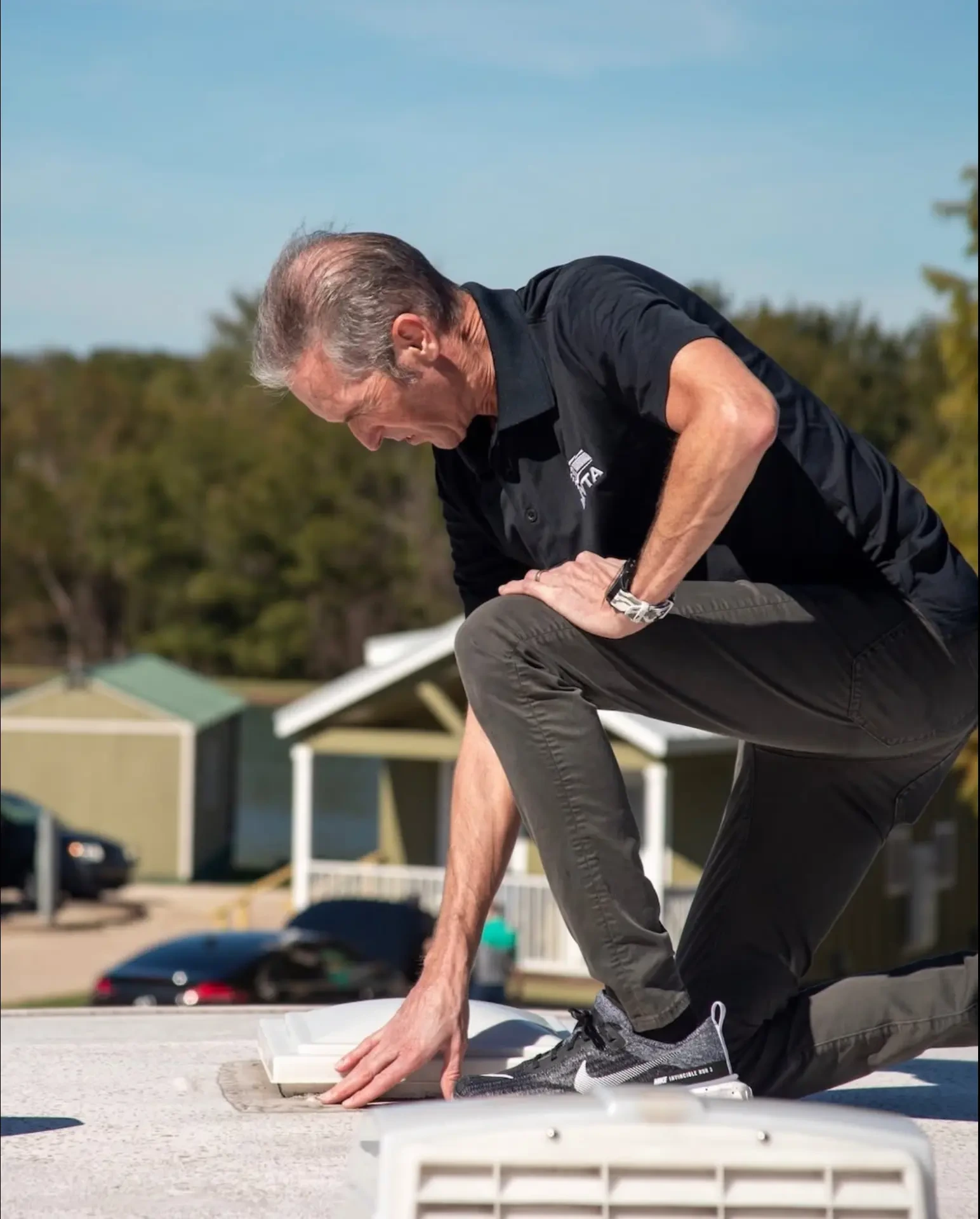
Make sure roof vents and windows open, close and latch, and screens are intact. Horses need good airflow, especially on warm days.
Before every trip
Your pre-season check catches the big stuff. Before each trip, do a quick walk-around: tire pressure, lights, coupler latched, safety chains crossed and attached, breakaway cable connected, doors and dividers latched.
When to call us
If you find soft boards, corrosion, cracked welds, noisy bearings or brakes that don't feel right, don't haul until it's fixed. We work on horse and livestock trailers every season at our shop in Atwater, and spring fills up fast. Book before the show schedule does.